Please schedule an appointment for a tour or membership.
Gym: 502-895-4321 ~ Text: 502-483-2994

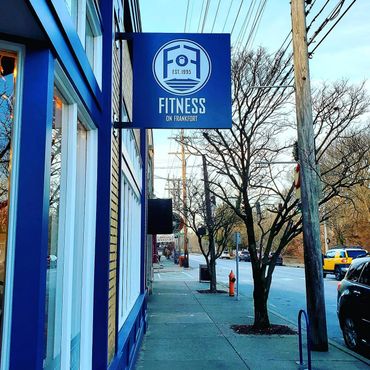
Friendly Crescent Hill Neighborhood Gym Locally owned since 1995
24/7 Member Access with Keycard
Personal Training
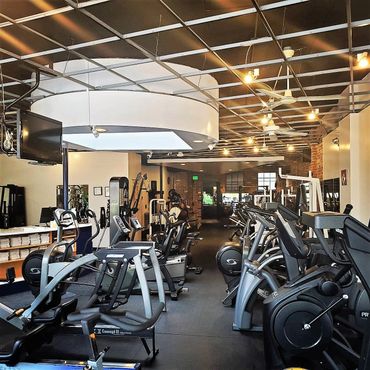
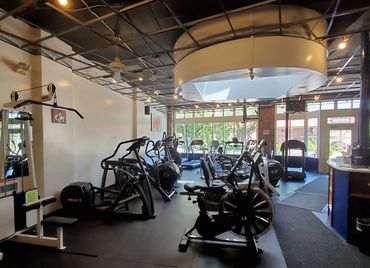
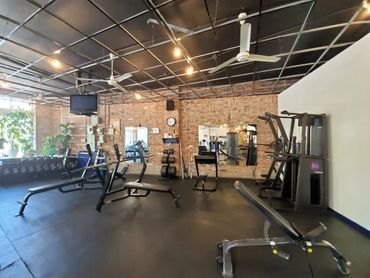
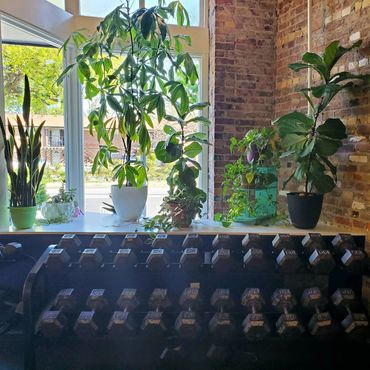
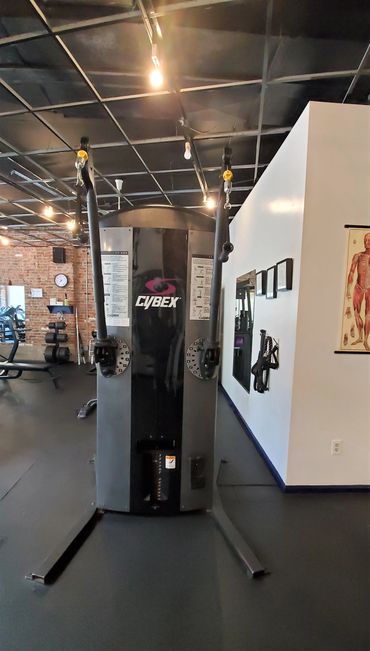
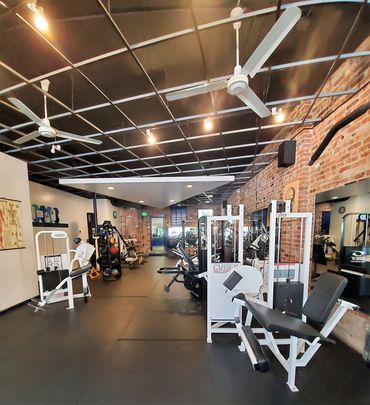
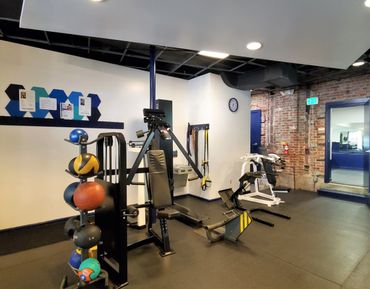
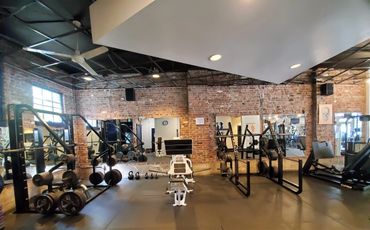
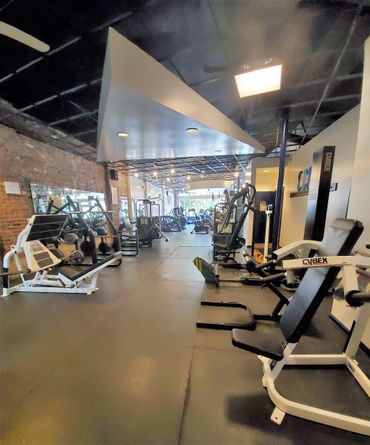
Wide Variety of Fitness Equipment
Please schedule an appointment for a tour or membership.
Gym: 502-895-4321 ~ Text: 502-483-2994
24/7 Member Access with Keycard
Personal Training
Wide Variety of Fitness Equipment

Hi, I’m Sylvester Davis. I’ve worked as a personal trainer/strength and conditioning coach in the Louisville area for over ten years. I’m originally from Louisville. I have a bachelor’s degree in Exercise Science and Sports Medicine from the University of Louisville.
While at UofL I had the opportunity to work as an intern strength and co
Hi, I’m Sylvester Davis. I’ve worked as a personal trainer/strength and conditioning coach in the Louisville area for over ten years. I’m originally from Louisville. I have a bachelor’s degree in Exercise Science and Sports Medicine from the University of Louisville.
While at UofL I had the opportunity to work as an intern strength and conditioning coach for the football program. I’ve also spent years working as a fitness specialist/personal trainer for local fitness facilities including Fitness on Frankfort. My post graduate certifications include Group Exercise/Boot Camp Leader and Kettle bell Instructor.
I’m fortunate to have learned from some excellent trainers and coaches, and I’m passionate about sharing that knowledge with my clients. Whatever your current level of fitness, I’m ready to teach you to use good exercise technique to reach your goals.
When I not working, I enjoy hanging with friends and family, traveling, outdoor activities and playing and watching sports.
BS in Exercise Science and Sports Medicine, UofL
Areas of Specialty:
Olympic Lifts
Kettle Bells
Boot Camp Style workouts
Certifications:
Group Exercise
Boot Camp
Kettle Bells
Our bodies are resilient and constantly changing, no matter your age. Anyone can improve their well-being.
I help my clients develop and reach their goals through the many techniques I have acquired over the past twenty years in exercise and physiology. My approach to a healthy body has evolved to become more mindful. I train my clients in
Our bodies are resilient and constantly changing, no matter your age. Anyone can improve their well-being.
I help my clients develop and reach their goals through the many techniques I have acquired over the past twenty years in exercise and physiology. My approach to a healthy body has evolved to become more mindful. I train my clients in strength, cardio, movement, flexibility, balance, and connection of mind and body.
There are so many ways to improve our physical and mental bodies. Everybody is different, so I do not take a cookie-cutter approach.
My studies beyond personal training include muscle activation, resistance training, yoga, stretch and core group exercise, rehab and therapeutic exercise, and work in mindfulness and breath.
BA in Biology, Wittenberg University
Areas of Specialty:
Biomechanics
Proper form
Mind body connection
Yoga Instructor
Group Fitness Instructor
CALM Instructor
Certifications:
200 RYT (Registered Yoga Instructor)
RTS 123
MAT Jumpstart, lower body
(Muscle Activation Technique)
NSCA-CPT from 2000-2013
AED/CPR
Resist-a-ball
I am an energetic & motivated Personal Trainer with extensive experience providing customized training programs. I have a strong background in weights, cardio, TRX, resistance training and other methods to provide safe, results-driven fitness programs for clients with a special attention to previous injuries, fitness level, age and customer goal.
Hi, I’m Abigail Arana. I hold a Bachelor's Degree in Business and have nine years of experience as a Personal Trainer, along with multiple certifications that enhance my expertise. My passion for health and wellness began with my own journey—struggling to manage stress and overcome sciatic nerve pain. Through exercise, I discovered a powe
Hi, I’m Abigail Arana. I hold a Bachelor's Degree in Business and have nine years of experience as a Personal Trainer, along with multiple certifications that enhance my expertise. My passion for health and wellness began with my own journey—struggling to manage stress and overcome sciatic nerve pain. Through exercise, I discovered a powerful way to build both mental and physical strength while achieving a pain-free life. Beyond fitness, I love spending time in nature, whether it’s hiking, cold plunging, or simply enjoying the outdoors. I also have a passion for creating homemade beauty products and healthy snacks. I’m excited to be part of your fitness journey! No matter your goals, I’ll be with you every step of the way, providing guidance, motivation, and unwavering support.
Certifications